


What’s included in a Visual Identity project?
Updated: Oct 6
In this post, you’ll learn:
What a visual identity is and why it’s more than just a logo
The key elements included in a professional visual identity project
Why brand strategy, research and consistency matter
How colour, typography, imagery and supporting assets shape your brand
Why investing in a strong visual identity can build trust and support business growth

A complete guide for growing businesses that care.
If you’ve started researching branding services, you’ve probably come across the term visual identity. While many people assume it’s simply another name for a logo, a visual identity project goes far beyond designing a single graphic. It’s about creating an entire visual system that represents your business consistently across every customer touchpoint.
From your website and social media to your packaging, business cards and marketing materials, your visual identity influences how people perceive your business long before they become customers. A cohesive visual identity helps build trust, makes your business more memorable and ultimately supports long-term growth.
In this guide, we’ll explain exactly what’s included in a visual identity project, why it matters and how investing in a professional visual identity can help convert more customers over time.

What is a Visual Identity?
A visual identity is the collection of design elements that communicate your brand without using words. It includes everything that shapes the visual appearance of your business, from your logo and colour palette to typography, imagery and supporting graphics.
Think of it as the visual language your business speaks.
Every successful brand has a recognisable look and feel that remains consistent wherever customers interact with it. Whether someone discovers your business through Google, scrolls past your Instagram profile or visits your website for the first time, your visual identity should instantly communicate who you are and what your business stands for.
It’s important to understand that visual identity is only one part of branding. Your overall brand also includes your positioning, messaging, values, customer experience and tone of voice. Your visual identity simply brings all of those elements to life through design,
Without a clear visual identity, businesses often end up with inconsistent colours, multiple fonts, different logo versions and disconnected marketing materials that make the company appear less established than it actually is and most importantly make the brand look ill-considered.
Why your visual identity matters
Whether we realise it or not, we’re constantly making snap judgements based on appearance. Customers do exactly the same when they encounter a business for the first time.
A professionally designed visual identity immediately creates a sense of credibility. When everything feels cohesive and intentional, customers are more likely to trust your business before they’ve even read about your services.
Consistency also plays a huge role in brand recognition. Think about some of the world's most recognisable brands. Even without seeing their names, you could probably identify them simply from their colours, typography or logo. That’s because they’ve spent years creating a consistent visual identity across every platform.
The same principle applies to businesses of every size. You don’t need to be a global company to benefit from consistent branding. In fact, smaller businesses often gain even more because a polished visual identity helps them compete against larger competitors.

Can a strong visual identity increase sales?
Absolutely.
Not only because good design magically convinces people to buy. Instead, a professional visual identity improves the customer journey at every stage.
When people first discover your business, polished branding creates a positive first impression. As they continue researching your services, consistent visuals reinforce credibility and professionalism. By the time they’re ready to enquire or make a purchase, your business already feels familiar and trustworthy.
This is known as the mere exposure effect - the psychological principle that people naturally develop a preference for things they recognise.
A consistent visual identity also increases perceived value. Businesses with high-quality branding often appear more experienced and premium than competitors with inconsistent visuals, allowing them to attract higher-value clients and justify stronger pricing.
While branding alone won’t generate sales, it removes friction from the buying process by helping customers feel confident in their decision.
What’s included in a Visual Identity project?
Although every design studio has its own process, most professional visual identity projects include a carefully considered collection of assets that work together as one cohesive system.
Brand Discovery & Research
Every successful project starts with understanding the business itself.
Before any design work begins, your designer should take time to understand your goals, target audience, competitors, industry and long-term vision. The discovery phase forms the foundation for every creative decision that follows.
Rather than creating something that simply looks attractive, the aim is to develop a visual identity that reflects your business personality and supports your commercial objectives.
Logo Design
One of the most recognisable parts of any visual identity is the logo.
However, modern logo design isn’t just about creating a single version that works in one place. A professional visual identity project usually includes a complete logo suite, with variations designed for different applications.
This often includes a primary logo, secondary logo, icon or brand mark, simplified versions for smaller spaces, and light or dark variations to ensure your branding works equally well across websites, packaging, signage and social media.
Colour Palette
Colour plays a surprisingly powerful role in how customers perceive your business.
A visual identity project develops a carefully selected colour palette that reflects your brand personality while remaining practical across both digital and printed materials.
Rather than choosing colours based solely on personal preference, designers consider colour psychology, accessibility, contrast and versatility. The result is a palette that feels distinctive while remaining functional across every customer touchpoint.
Typography
Typography is another element that’s often overlooked but has a huge influence on brand personality.
Whether your business wants to feel modern, premium, approachable or playful, typography helps reinforce that impression.
A visual identity project typically defines heading fonts, body text and supporting type styles, ensuring every document, website page and social media graphic feels consistent.
Support Brand Assets
Strong brands rarely rely on a logo alone.
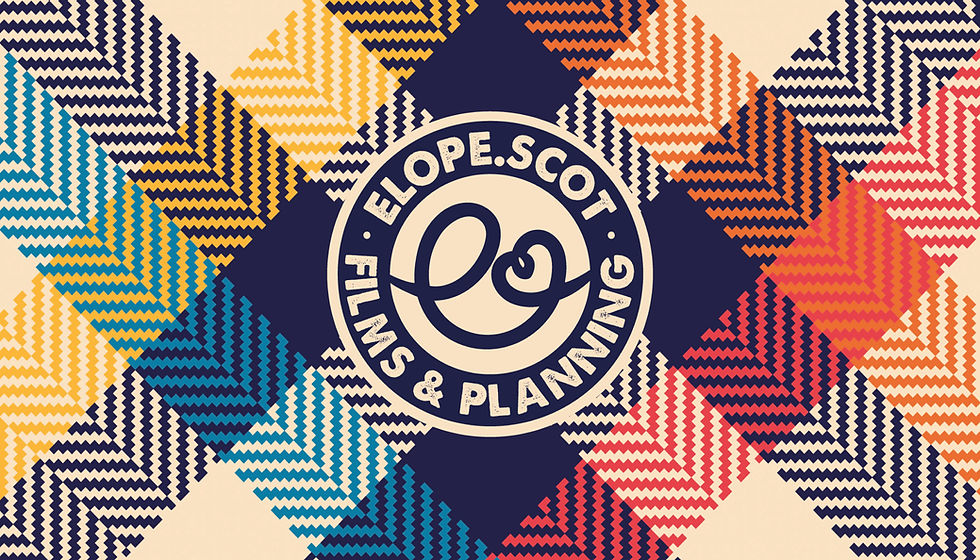
Many visual identity projects also include custom graphic elements such as icons, patterns, illustrations, textures or branded shapes that can be used throughout your marketing.
These assets help create a recognisable visual style that extends beyond simply placing your logo on every design.
Over time, customers begin associating these unique visual elements with your business, strengthening brand recognition even further.
Photography & Art Direction
Art Direction has a significant impact on how your brand is perceived.
A professional visual identity often includes guidance on photography style, image composition, colour grading and overall creative direction.
Whether you’re using professional photography or stock imagery, having consistent guidelines ensures every image feels like it belongs to the same brand.
Brand Guidelines
One of the most valuable deliverables in any visual identity project is the brand guidelines document.
Rather than leaving you to guess how your branding should be used, this guide explains exactly how each element should appear across future marketing materials.
It outlines logo usage, colour specifications, typography, spacing, imagery and best practices in which to use them. Helping to maintain brand consistency whether you’re working with internal staff, freelancers or external agencies. Think of it as the instruction manual for your entire visual identity across all platforms and media.
Is a Visual Identity worth the investment?
For businesses looking to grow, the answer is almost always yes.
A visual identity isn’t simply about making business look attractive. It’s about building trust, creating consistency and positioning your company professionally in an increasingly competitive marketplace.
Businesses often spend thousands of pounds on advertising to attract visitors to their website or store, yet overlook the importance of how those visitors perceive the business once they arrive.
If branding feels inconsistent or outdated, customers may question your credibility before they’ve even explored your services.
Investing in a professional visual identity ensures every customer interaction reinforces the same message, helping your marketing work harder over time.
In summary
A visual identity project is far more comprehensive than designing a logo. It’s about creating a complete visual system that helps your business communicate consistently, build recognition and establish trust with your audience.
From strategic research and logo development to typography, colour palettes, supporting graphics and detailed brand guidelines, every element works together to create a cohesive brand experience.
While customers may not consciously notice every design decision, they absolutely notice the overall impression your business leaves behind.
If you’re looking to build a brand that’s memorable, professional and designed to grow with your business, investing in a carefully crafted visual identity is one of the smartest long-term decisions you can make.

Why businesses choose GUGA Creative
Here at GUGA Creative, branding is about far more than just creating attractive visuals.
Every project begins with communication and connection: understanding your business, your audience and your ambitions.
By combining strategic thinking with creative design, we build brands that connect with customers, strengthen market positioning and support sustainable business growth.
Whether you’re launching a new business or refreshing an existing brand, our goal is to create an identity that’s distinctive, memorable and built to perform across every platform.
Get in touch if you'd like to discuss your Visual Identity
Comments